Mapúa Malayan Colleges Laguna Study Shows AI Micro-Credentials Boost Graduate Employability
By: Pearl Stephanie D. Ulep
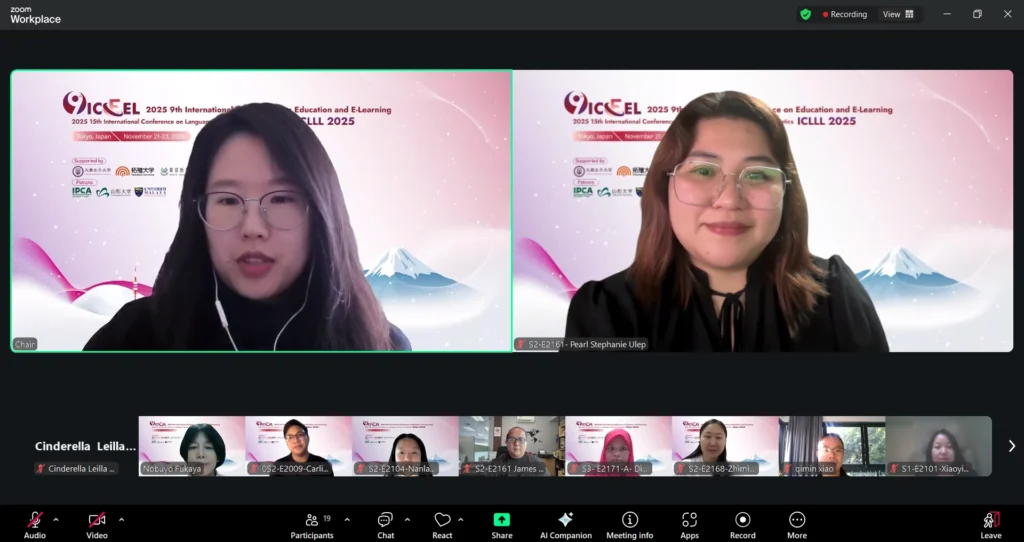
A recent institutional study at Mapúa Malayan Colleges Laguna (Mapúa MCL), presented at the International Conference on Engineering Education and Leadership (ICEEL), highlights the positive impact of AI-related micro-credentials on the employment outcomes of Bachelor of Science in Computer Engineering (BS CpE) graduates, underscoring the institution’s commitment to outcomes-based and future-ready education.
The study analyzed alumni tracer data and found a strong relationship between the number of AI-related micro-credentials earned by graduates and the level of job roles they secured after graduation. Graduates who earned a higher number of micro-credentials were more likely to obtain positions above entry-level, demonstrating how skills-focused certifications complement formal degree programs in preparing students for the evolving demands of the digital workforce.
Future-Ready Learning Anchored on the Mapúa T4 Career Readiness Framework
These findings reflect how Mapúa’s T4 Career Readiness Framework supports the development of industry-relevant competencies among students. By integrating AI-related micro-credentials into this framework, Mapúa MCL ensures that students gain practical, industry-relevant skills alongside strong disciplinary knowledge, thereby enhancing their employability and fostering innovation.
Mapúa MCL’s commitment to equipping students with future-ready skills reflects a broader institutional vision. As Dr. Dodjie S. Maestrecampo, President and CEO of the Mapúa Education Group, has noted, “AI is no longer optional. It is reshaping industries, redefining skills, and reimagining learning itself,” emphasizing the need for educational strategies that prepare learners for the evolving demands of the workforce.
Data-Driven Insights on Graduate Outcomes
Using alumni employment data, the study provides empirical evidence that integrating AI-related micro-credentials into undergraduate programs enhances graduate competitiveness. The results support the growing recognition of micro-credentials as valuable indicators of employability, particularly in technology-driven industries where demonstrated skills are increasingly prioritized alongside academic qualifications.
Through initiatives grounded in the Mapúa T4 Framework, Mapúa Malayan Colleges Laguna continues to strengthen the alignment between education and industry, ensuring that graduates are not only academically prepared but also equipped with the competencies needed to thrive in a rapidly changing, AI-enabled economy.
These initiatives also advance multiple United Nations Sustainable Development Goals (SDGs). The emphasis on inclusive, skills-oriented learning supports SDG 4: Quality
Education, while enhancing employability and fostering innovation, aligns with SDG 8: Decent Work and Economic Growth. Promoting advanced digital competencies strengthens SDG 9: Industry, Innovation, and Infrastructure, and ensuring equitable access to skill-enhancing opportunities advances SDG 10: Reduced Inequalities. Together, these efforts reflect Mapúa MCL’s commitment to developing skilled, innovative, and adaptable professionals who can navigate and shape the future of work.