

Mapúa MCL Civil Engineering students attempt Digital Transformation
Mapúa Malayan Colleges Laguna’s (Mapúa MCL) B.S. Civil Engineering students under the Mapúa Institute of Technology at Laguna are, for the first time, attempting to explore the possibility of merging digital technology with the civil engineering discipline. At least four (4) groups among 25 groups of civil engineering students who finished their capstone project this Academic Year 2024 – 2025 geared their research on digital transformation.
The groups with their adviser, Engr. Hermie Del Pilar and Engr. Neslyn L. Principio took the initiative by taking the opportunity on the tie-up between Phil IT headed by its CEO, Omar D. Palaming and Mapúa MCL, for which both parties signed a memorandum of agreement (MOA) a year earlier. Phil IT, a web design company, opted to collaborate with Mapúa MCL’s civil engineering student researchers by sharing their expertise in web app development. The result of the study proved useful based on their functionality and potentiality.
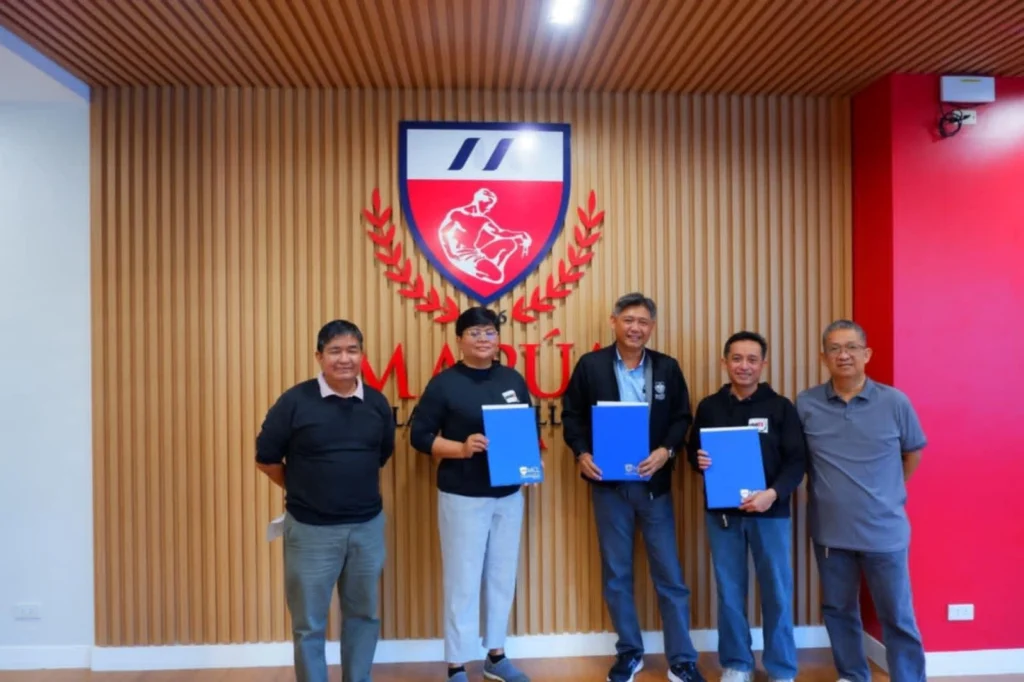
The research studies on digital transformation are as follows:
1. e-commerce application in construction:
Buying and selling of construction materials is customarily the “pay then deliver system” among small and medium enterprise suppliers. Though the success of e-commerce for consumable domestic products has been proven, construction products such as gravel, sand, cement, CHB’s deformed bars and board materials are usually purchased using the old system of buying. The existing e-commerce platforms utilize small vehicles to deliver products but find it difficult to deliver construction products.
Mapúa MCL CE students Owen Carandang, Jozelle San Juan and Dhora Base in collaboration with Phil IT, developed an application for e-commerce in construction. The application can pool a network of suppliers and buyers in any locality, though now, their web app is limited to the 3 leading cities in Laguna, Calamba, Cabuyao and Sta. Rosa which are the sites for their web app prototype testing. The application is capable of networking local construction materials suppliers and potential customers such as project owners, project managers and construction engineers. Records of purchases with the date, quantity and price of construction products are well kept in the database and can be sourced and reviewed anytime by the stakeholder, using smartphone, laptop or computer with the application. Important features that can be found in the existing e-commerce platforms are also seen in the developed application.


2. Mapúa MCL Raspberry seismograph for earthquake detection, analysis and record database
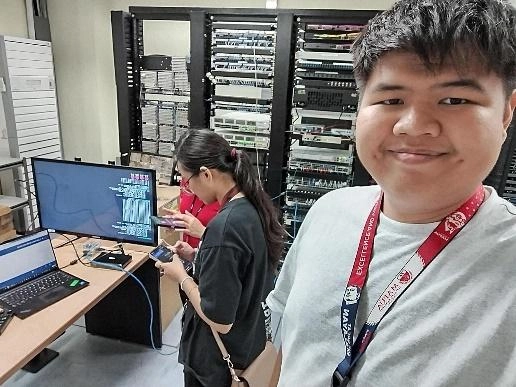
The group, consisting of fourth-year civil engineering students, Mark Michael Candelaria, Erica Kate Ramos and Quinn Roces installed a Raspberry Seismograph at the ETYCB building. This is linked to PHILVOCS and other Raspberry seismograph centers in the country and abroad.
Their output includes the web app design of earthquake detected on smart phones which can trigger alarm and graphically show the waveform intensity of the quake with graphic instructions whether to leave or vacate the premises. Though the web app design still needs finishing touches, the functionality of the seismograph was proven plausible based on the accurate detection of earthquake vibrations which occurred during the course of their seismograph installation.

3. Integrating RFID Technology for traffic monitoring via web app login system.
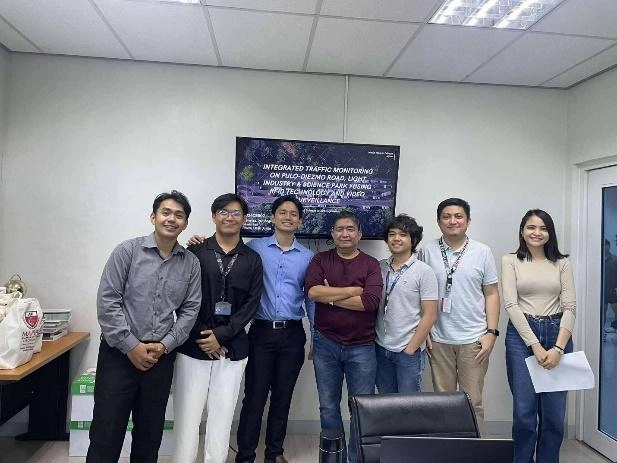
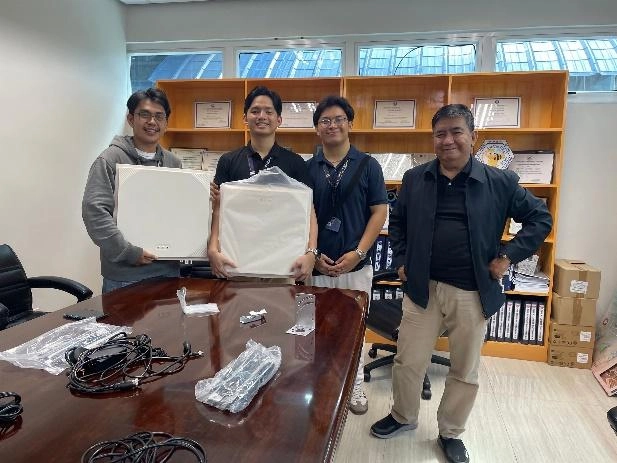
Traffic systems that can monitor, record speed limit violation and traffic flow at any instant can be difficult to establish. The group of Dan Angelo Carranza, Ian Dawis and Elijah Justin Rivera installed an RFID Reader sensing device (VI-88R 12dBi UHF) integrated with video cam at Pulo–Diezmo Road near the 4-leg intersection connecting LISP Gates 1, 2, and Sta. Elena Village. Records of vehicle speed and the time when they passed the area have been completely recorded and encoded for any possible use. Though their study focused on the analysis of traffic flow in the chosen traffic location, the potential application of the system in other purpose is obvious. Traffic monitoring and recording can be viewed using a smartphone or iPhone where the app was installed.
4. Smarter Shuttle, Shorter Lines: using Web-Based Transport App
Long waiting lines, missed travel time, and disorganized shuttle schedules have been part of the everyday experience among Mapúa MCL student commuters. These mundane problems became inspiration for Ren-Aile Seven Marasigan, Honey Mae Purificacion, and Carla Pauline Sabanal with their adviser Engr. Neslyn Principio. An innovative project designed to improve campus transportation is about a web-based application that streamlines the communication and coordination between drivers and passengers. Instead of relying on Messenger group chats—which often led to confusion—the system introduces features such as ride booking, manual status updates from drivers, and proof of ride logging, giving users a convenient and organized shuttle experience. The results were impressive. After testing with real users in Sta. Rosa, the app was shown to reduce average queuing time by 39%. While it doesn’t include live GPS tracking, the system’s simplicity and structured flow, enough to significantly improve user satisfaction and efficiency in commuting.